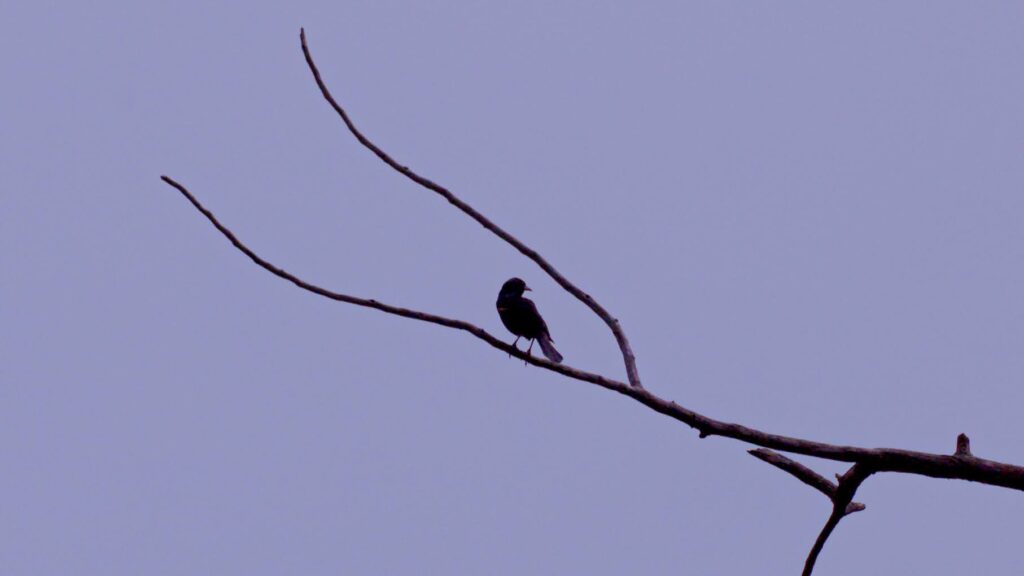
A friend of mine once teased me about my knowledge of bird species. He said, “you know you’re old if you can name more than 5 species of birds!” I laughed and told him I would help him grow up by teaching him bird names starting with the easy ones like black bird and blue bird and that we would work up to Robin and Sparrow. I was thinking about how we start teaching language to children using basic colors and shapes.
Over the course of the summer I realized that the comment about knowing bird species by name has much more relevance to this project than I first imagined. According to author and naturalist Robert Macfarlane, research tracking word frequencies in English-language books shows that the usage of everyday nature-related terms has declined by over 60 percent since 1800.
In my investigation of the cultural and environmental history of the watershed I discovered that indigenous languages like Salish and Gaelic contain important environmental knowledge in place names. The language itself maintains a connection to the environment.
Unlike place names in English that are often named after the surnames of famous people like the Jefferson or Madison Rivers in Montana, the local indigenous names for places is tied to what is found in the environment.
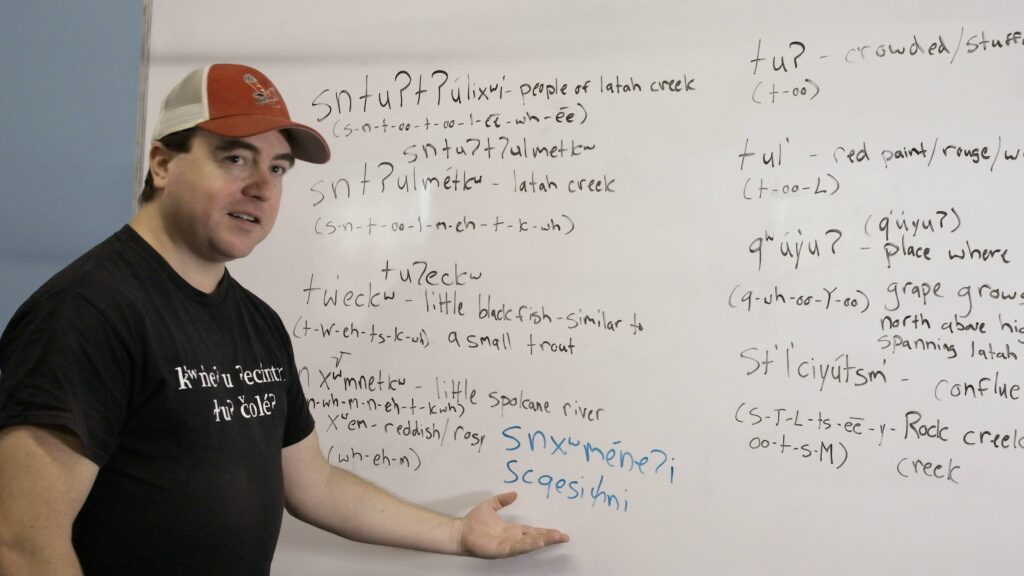
I recently had the privilege of interviewing Robert Wynecoop who teaches at the Salish Language House on the Spokane Reservation in Welpinit. He gave me a fascinating explanation of the original name for Hangman Creek.
Both the Spokane and Coeur d’Alene tribes reference a sucker fish in their name for the creek. This surprised me! I would have expected the creek to be named for the Salmon, Steelehead, or Red Band Trout that so much restoration work is focused on.
The brilliance of the Salish name(s) for the creek are that they tell an important story about a species of fish that is necessary to make habitat for the larger hero fish species. These small sucker fish along with now expatriated lamprey eels performed thte task of keeping the gravel spawning beds clean and healthy for trout and salmon!
Ultimately, language either connects us or disconnects us from the environment. Psychology research shows that the rise of urbanization and screen technology has dramatically decreased the use of nature words and replaced them with technology terms. The loss of nature words is creating a disconnected relationship to the environment and leading towards apathy towards stewardship. There is even a new term that describes the phenomenon of ecological amnesia or a shifting baseline that accepts degraded environments as the status quo.
The revitalization of Salish will play an important role in the revitalization of the watershed.
Another concept I took away from my interview with Robert Wynecoop was the way in which indigineous people kept calendars. He described how they would wind up a coil of Indian hemp string that they had attached objects to as reminders of events that happened over the course of the year. In the winter they would gather and uncoil the ball of string with its attachments and recount the history of the past year.
I am bringing these two ideas of nature vocabulary and keeping track of time together with my photograms. I am thinking about making photograms that honor specific plants I come across in my yard , or on campus overlooking the Spokane River, or in the hangman creek watershed and collecting them in a journal over the course of a year.
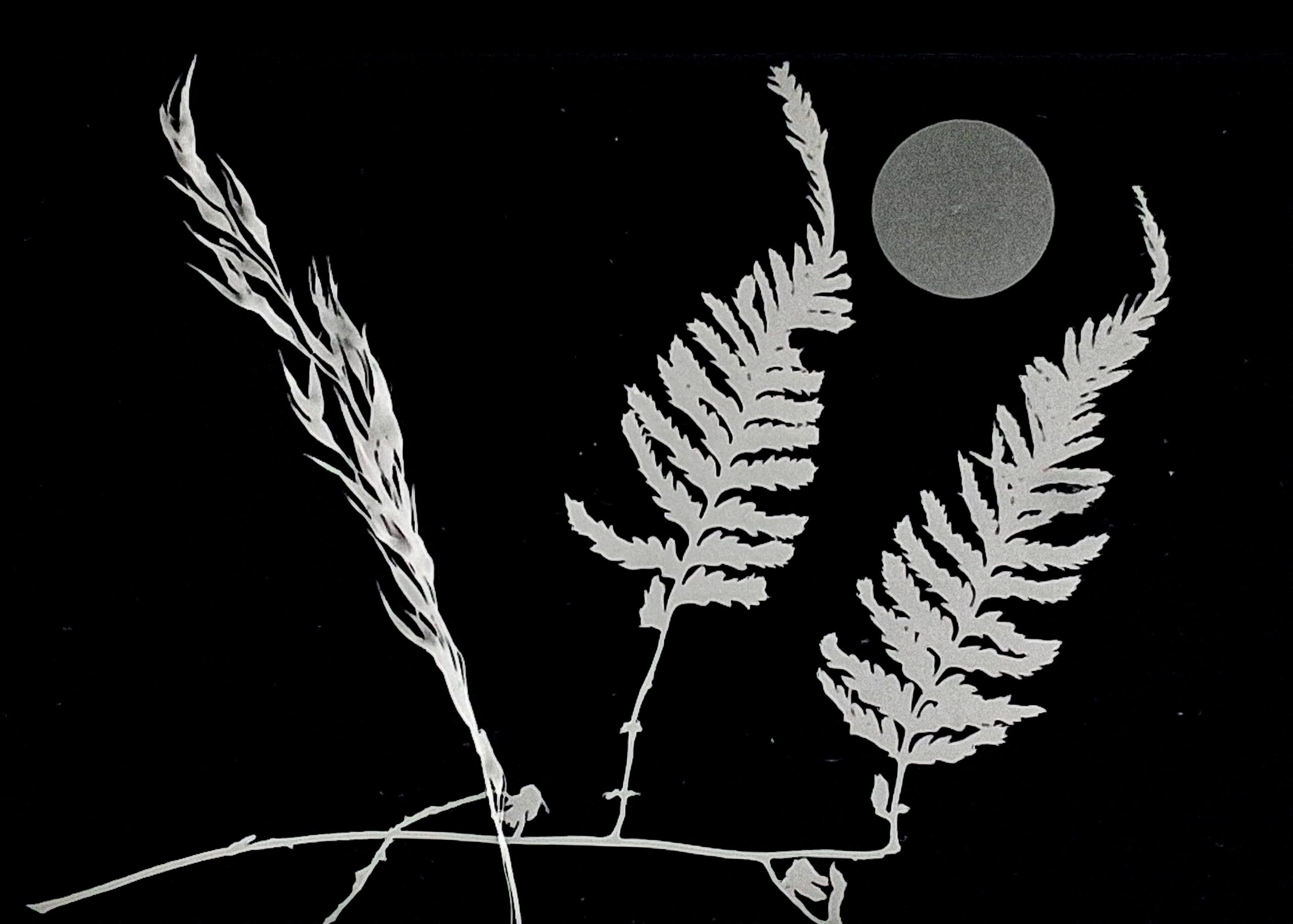
For this photogram I took some grass and a couple of fern leaves and combined them with a dime to illustrate that on the 24th of September the moon was almost full.
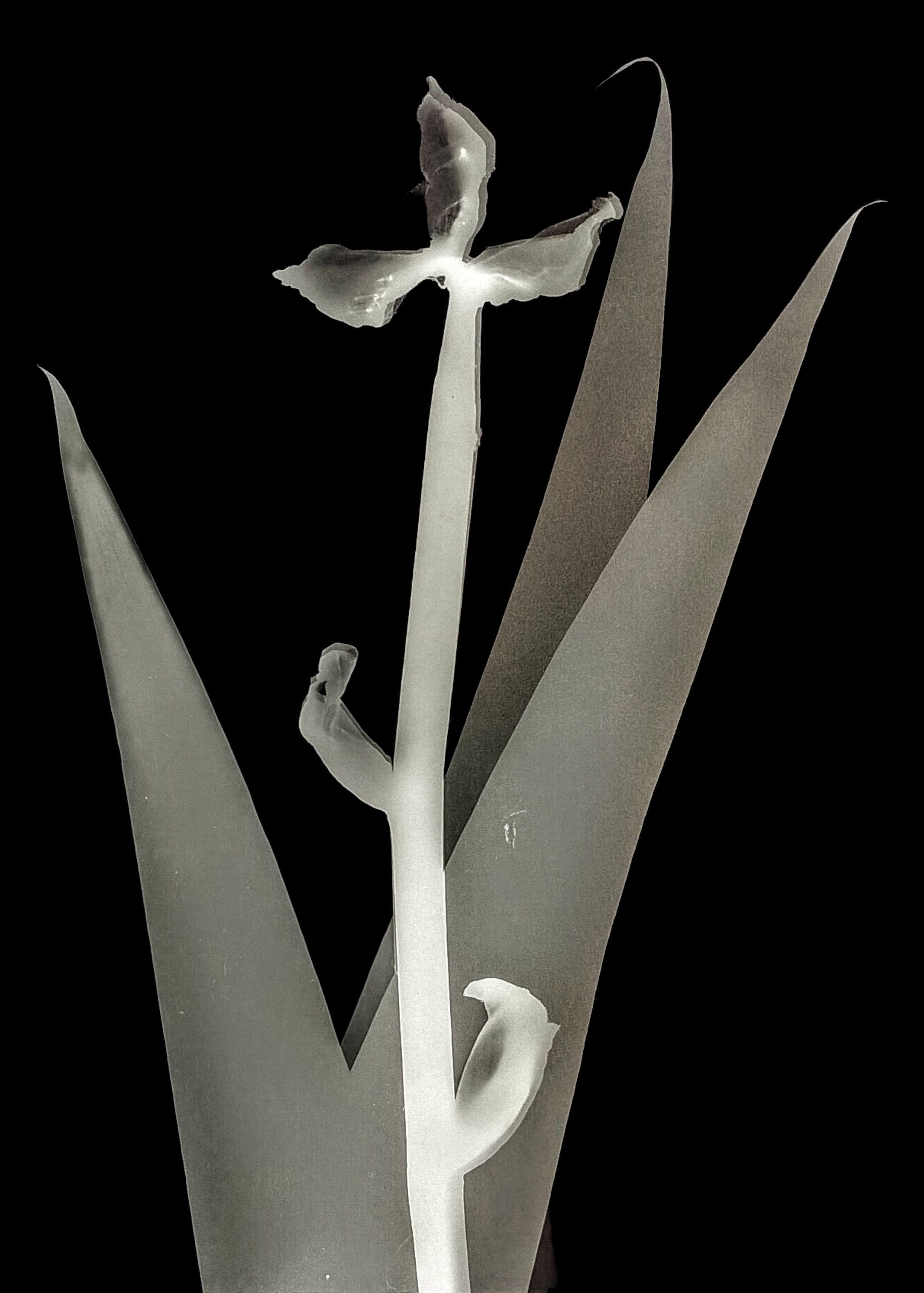
For this photogram I took a pair of scissors and walked along the photography building on campus that overlooks the river. I found this dried up iris and trimmed it down to fit on a 5×7 inch sheet of paper.
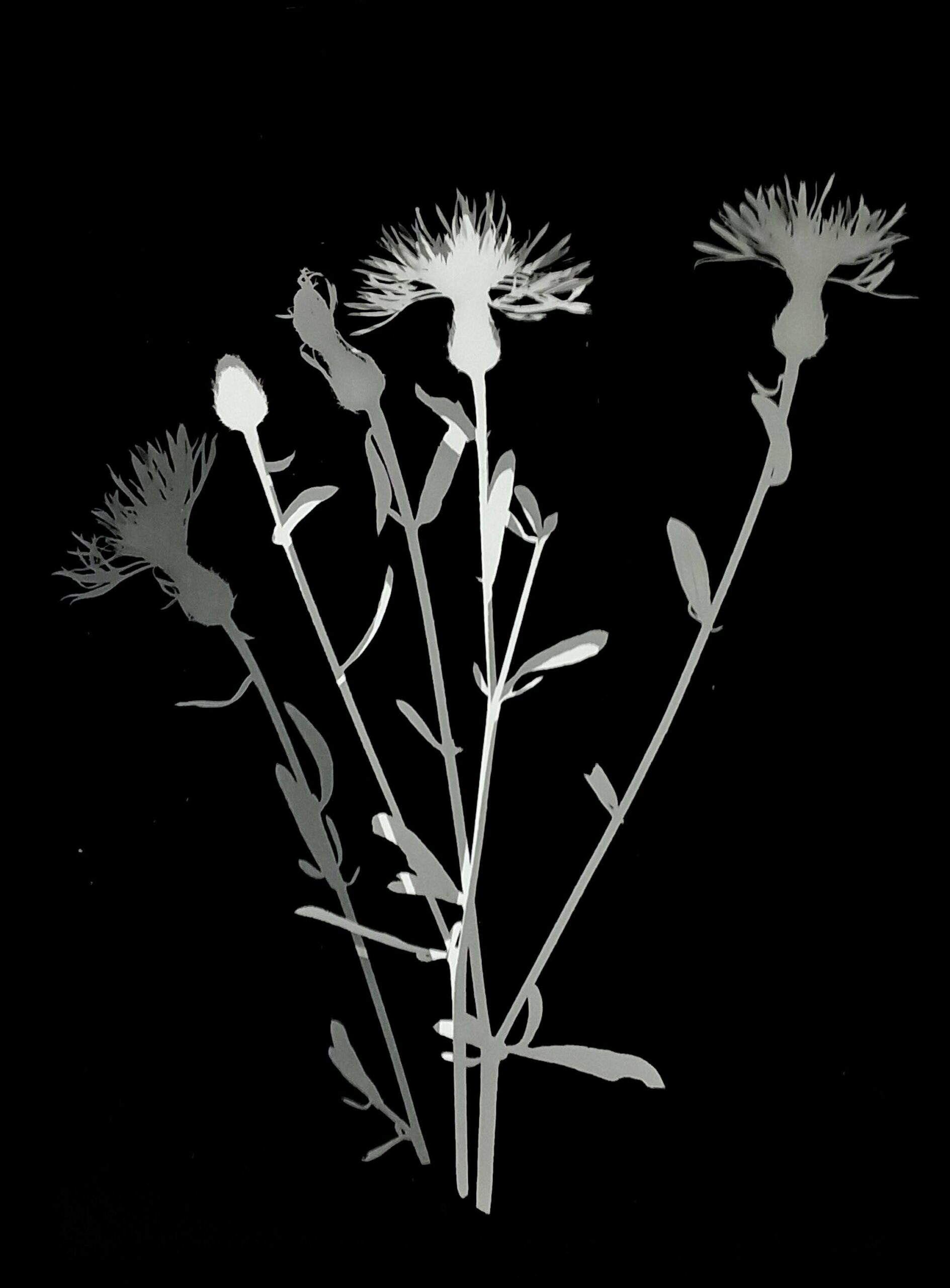
For this photogram I gathered purple thistle from my yard and made a visual bouquet to honor the gift we have received in the large number of American and Lesser Goldfinches and red headed house finches who have made our home theirs this summer. This year has bee filled with an abundance of so many species of birds. We have tried to be good stewards of our small patch of land in the watershed and have been rewarded with over 32 species visiting us this year with many making a permanent home.
After learning so much about the Salish and the loss of nature words in English, we have decided to apply a new name for our home in manner consistent with local tribal knowledge. We are now referring to our home as The place of many birds.